














Aviation Complex, Punta Caucedo.- The Dominican Institute of Civil Aviation (IDAC), through its Sustainable Development Directorate, held the first “Stocktaking” or National Sustainable Aviation Inventory, a historic space for dialogue, evaluation, and strategic planning, aimed at strengthening the country’s efforts in aviation sustainability and CO₂ emissions reduction.
During the session, key topics were addressed such as the implementation of the Carbon Offsetting and Reduction Scheme for International Aviation (CORSIA), the development of Sustainable Aviation Fuels (SAF), technological innovations, climate finance options, and the public policies needed to support the decarbonization of the sector.
The First National Stocktaking reinforces the country’s commitment to a modern, sustainable, and competitive aviation sector, which continues to drive economic development and the country’s connectivity, while advancing towards international environmental goals.
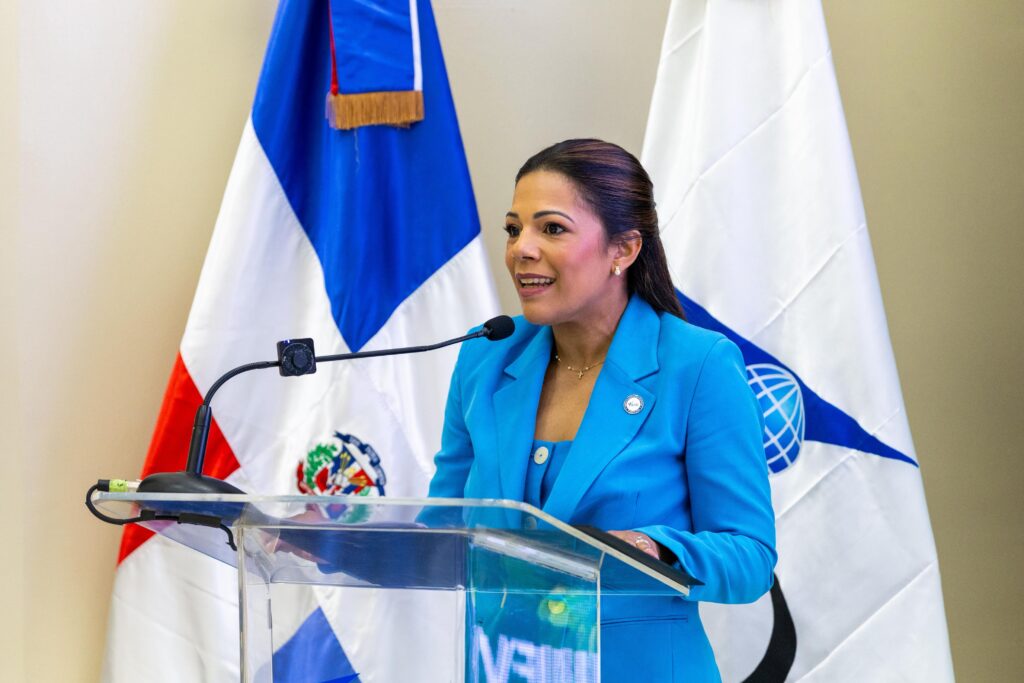
“This first STOCKTAKING is carried out with the purpose of sharing implementation experiences on CORSIA and other topics, with a single goal: to promote sustainable aviation and environmental protection worldwide,” said Paola Aimée Plá Puello, Deputy Director General of IDAC, speaking on behalf of the Director General, Igor Rodríguez Durán.
In the same vein, Plá Puello added that in 2022, through Assembly 41, the International Civil Aviation Organization (ICAO) approved long-term goals, where the 193 States agreed that, according to their capabilities, each of them committed to achieving neutrality by 2050.
“The most ambitious scenario estimates a total reduction of 87 percent of carbon dioxide by 2050, thanks to sectoral measures in aviation: 55 percent from fuels; 21 percent from technology; and 11 percent from operations. Every specific effort is valuable for reducing the sector’s carbon footprint,” he emphasized.
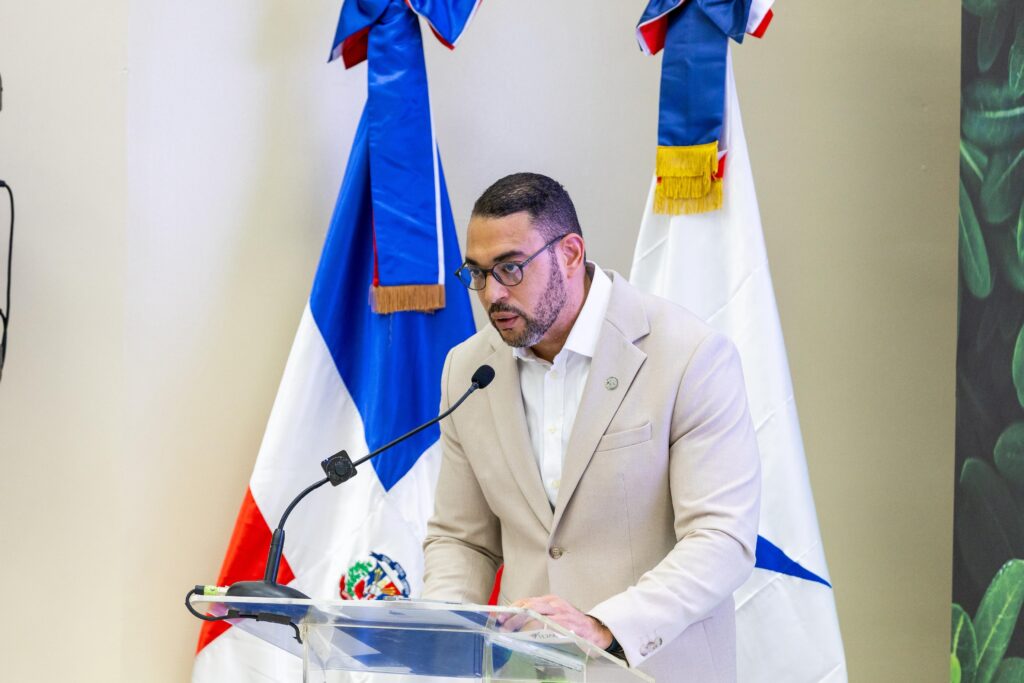
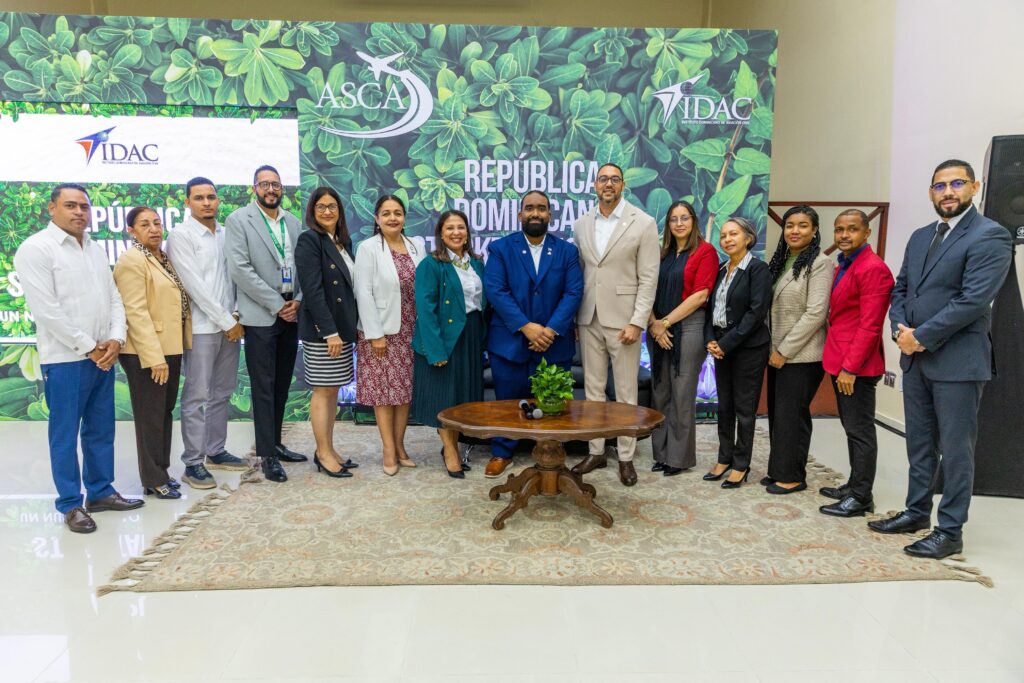
The event, called the first National Stocktaking of Sustainable Aviation, led by Pla Puello and organized by Miguel Mejía through his Sustainable Development Directorate, also included Max Puig, Executive Vice President of the National Council for Climate Change and Clean Development Mechanism; and Melvin Asin, Head of Cooperation of the European Union delegation in the Dominican Republic.

Also in attendance were Rafael A. Burgos Gómez, Director General of National Assets and honorary executive director of the State Sugar Council; Carlos Manuel Rodríguez Peña, Director of Research in Science and Technology at the Ministry of Higher Education, Science and Technology; Karin Obritzhauser, Climate Change Coordinator for UNDP in the Dominican Republic; and finally, Christopher Barks, Director of the ICAO NACC Office for North America, Central America and the Caribbean, through a video message.